A100 80GB vs A16
The A100 80GB and the A16 are both data centre GPUs we supply tested from Hong Kong, and the figures below are the same ones published on each product page. They share the same supply and warranty terms and separate on memory, interface, architecture, so the decision is less about "which is better" and more about which of those differences your platform or workload can actually use.
Nothing on this page is a price: used and refurbished hardware is repriced weekly, so both are quoted on request against confirmed stock with the date the quote holds until. If you are replacing a part, send the platform and we will confirm the population before you commit.
Side by side
A100 80GB vs A16 specifications
| Specification | A100 80GB | A16 |
|---|---|---|
| Memory | 80GB HBM2e with ECC, 1,935 GB/s on PCIe; 2,039 GB/s on SXM4 | 4x 16GB GDDR6 with ECC (64GB total) |
| Power | not stated | 250W TDP, 8-pin auxiliary power connector |
| Interface | PCIe Gen4 x16, dual-slot passive (300W); SXM4 400W | PCIe Gen4 x16, full-height full-length dual-slot, passive |
| Architecture | Ampere GA100, 6,912 CUDA cores, 432 third-gen Tensor cores | Ampere, 4x 1,280 CUDA cores (5,120 total), 4x 40 third-gen Tensor cores, 4x 10 second-gen RT cores |
| Compute | FP16-BF16 Tensor 312 TFLOPS / TF32 156 TFLOPS / FP32 19.5 TFLOPS | not stated |
| MIG | Up to 7 instances (10GB each) | not stated |
| NVLink | PCIe: 2-way bridge; SXM4: 12 links, 600 GB/s | not stated |
| Virtualization | not stated | vGPU support: NVIDIA vPC, vApps, RTX vWS and vCS |
| Status | Production discontinued — secondary-market supply only | not stated |
| Model | NVIDIA A100 80GB PCIe; SXM4 variant available | NVIDIA A16 64GB PCIe (quad-GPU board; Dell and other OEM-branded boards are the same GPU) |
| Media | not stated | 4x NVENC / 8x NVDEC — includes AV1 decode |
| User Density | not stated | Up to 64 concurrent VDI users per board |
| Compliance | not stated | Secure and measured boot with hardware root of trust; NEBS Level 3 |
Rows that differ are highlighted. Figures are the same ones published on each product page; where a figure is community-sourced rather than vendor-published it is stated on that page. Confirm every part against your build sheet when ordering.
Where they differ
- ·Memory — A100 80GB: 80GB HBM2e with ECC, 1,935 GB/s on PCIe; 2,039 GB/s on SXM4; A16: 4x 16GB GDDR6 with ECC (64GB total).
- ·Interface — A100 80GB: PCIe Gen4 x16, dual-slot passive (300W); SXM4 400W; A16: PCIe Gen4 x16, full-height full-length dual-slot, passive.
- ·Architecture — A100 80GB: Ampere GA100, 6,912 CUDA cores, 432 third-gen Tensor cores; A16: Ampere, 4x 1,280 CUDA cores (5,120 total), 4x 40 third-gen Tensor cores, 4x 10 second-gen RT cores.
Decision
Which one to buy
Data centre GPUs are chosen by memory footprint per job and by the deployment you already have. More memory per card means bigger models, larger batches and fewer cards for the same workload; less memory per card is often the better buy when you scale out across many nodes. Memory bandwidth and compute format matter for the workload — FP8 and BF16 throughput for inference, FP64 for simulation — and the power envelope decides how many cards fit per chassis. Check the form factor and cooling as well: a passive server card and an actively cooled workstation card are not interchangeable.
Choose the A100 80GB if
- ·Memory: 80GB HBM2e with ECC, 1,935 GB/s on PCIe; 2,039 GB/s on SXM4
- ·Interface: PCIe Gen4 x16, dual-slot passive (300W); SXM4 400W
- ·Architecture: Ampere GA100, 6,912 CUDA cores, 432 third-gen Tensor cores
Choose the A16 if
- ·Memory: 4x 16GB GDDR6 with ECC (64GB total)
- ·Interface: PCIe Gen4 x16, full-height full-length dual-slot, passive
- ·Architecture: Ampere, 4x 1,280 CUDA cores (5,120 total), 4x 40 third-gen Tensor cores, 4x 10 second-gen RT cores
Photos
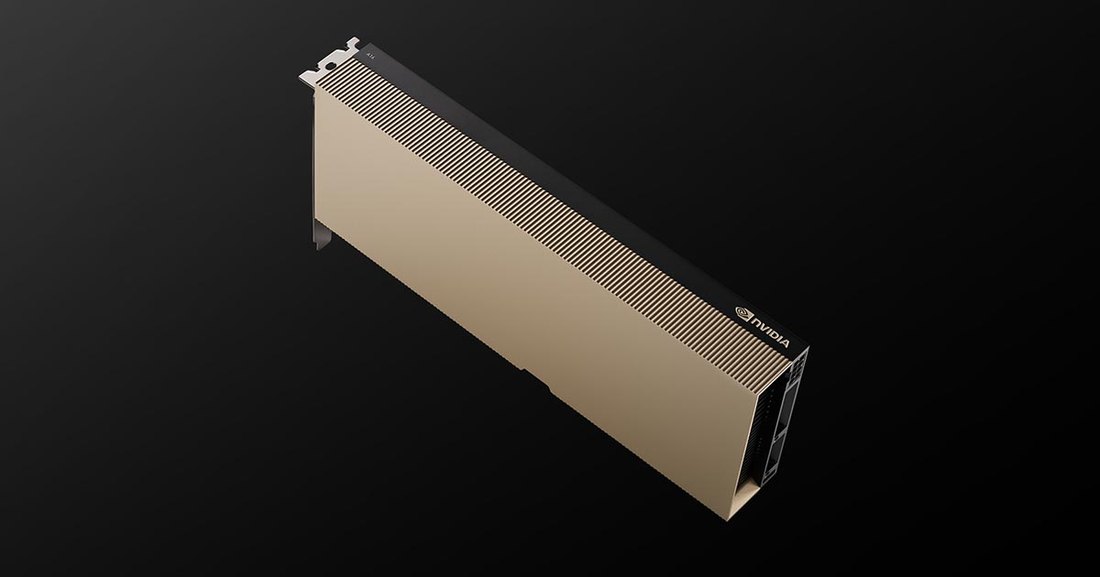
What the two look like
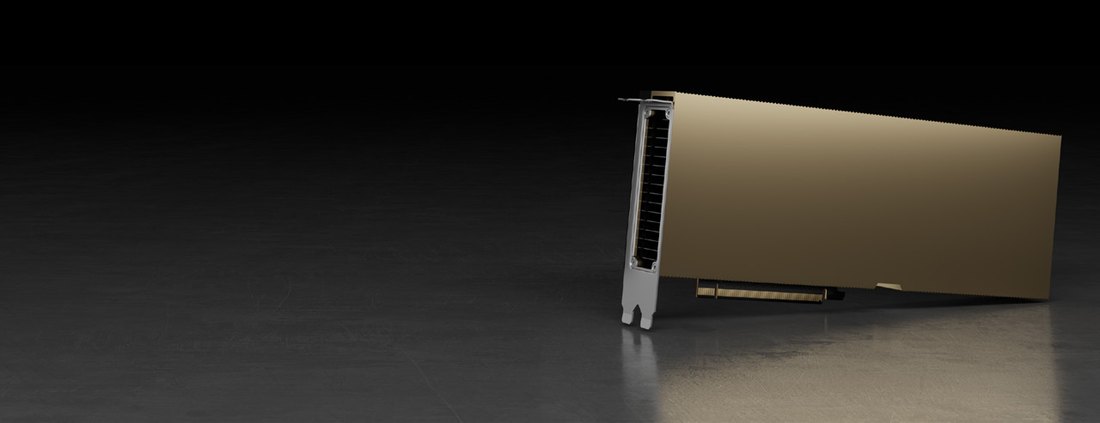
A100 80GB
Photo from the A100 80GB page. Every unit's label is read against your order before dispatch.
Frequently asked questions
How much do the A100 80GB and the A16 cost?
We do not publish prices for either: secondary-market hardware is repriced weekly. Send the quantity, the platform and the condition you want and we quote both against confirmed stock, with the date the figure holds until.
What is the main difference between the A100 80GB and the A16?
Memory (A100 80GB: 80GB HBM2e with ECC, 1,935 GB/s on PCIe; 2,039 GB/s on SXM4; A16: 4x 16GB GDDR6 with ECC (64GB total)); Interface (A100 80GB: PCIe Gen4 x16, dual-slot passive (300W); SXM4 400W; A16: PCIe Gen4 x16, full-height full-length dual-slot, passive); Architecture (A100 80GB: Ampere GA100, 6,912 CUDA cores, 432 third-gen Tensor cores; A16: Ampere, 4x 1,280 CUDA cores (5,120 total), 4x 40 third-gen Tensor cores, 4x 10 second-gen RT cores).
Can I use the A100 80GB and the A16 in the same system?
They can share a server if the power and slot budget allows it, but they target different jobs: A100 80GB and A16 differ mainly on Memory and Interface. Mixed GPU models in one host is a driver/CUDA compatibility decision, not a hardware one.
Which one should I buy?
Buy the one whose strong points match the job: see the "Choose" section above. If you are replacing an existing part, send the platform or the old part number and we will confirm compatibility before you order.
What condition are they in, and do you ship worldwide?
Both are supplied tested with a 1-year written warranty. Condition is stated line by line before you order — new, decommissioned pull or OEM tray — and we ship worldwide from the Hong Kong warehouse with full export documentation, typically 3–7 days by air.
Get a quote for either — or both
Tell us the quantity, the platform and the condition you need. We confirm stock and put a firm figure in writing with the date it holds until.
Request a Quote