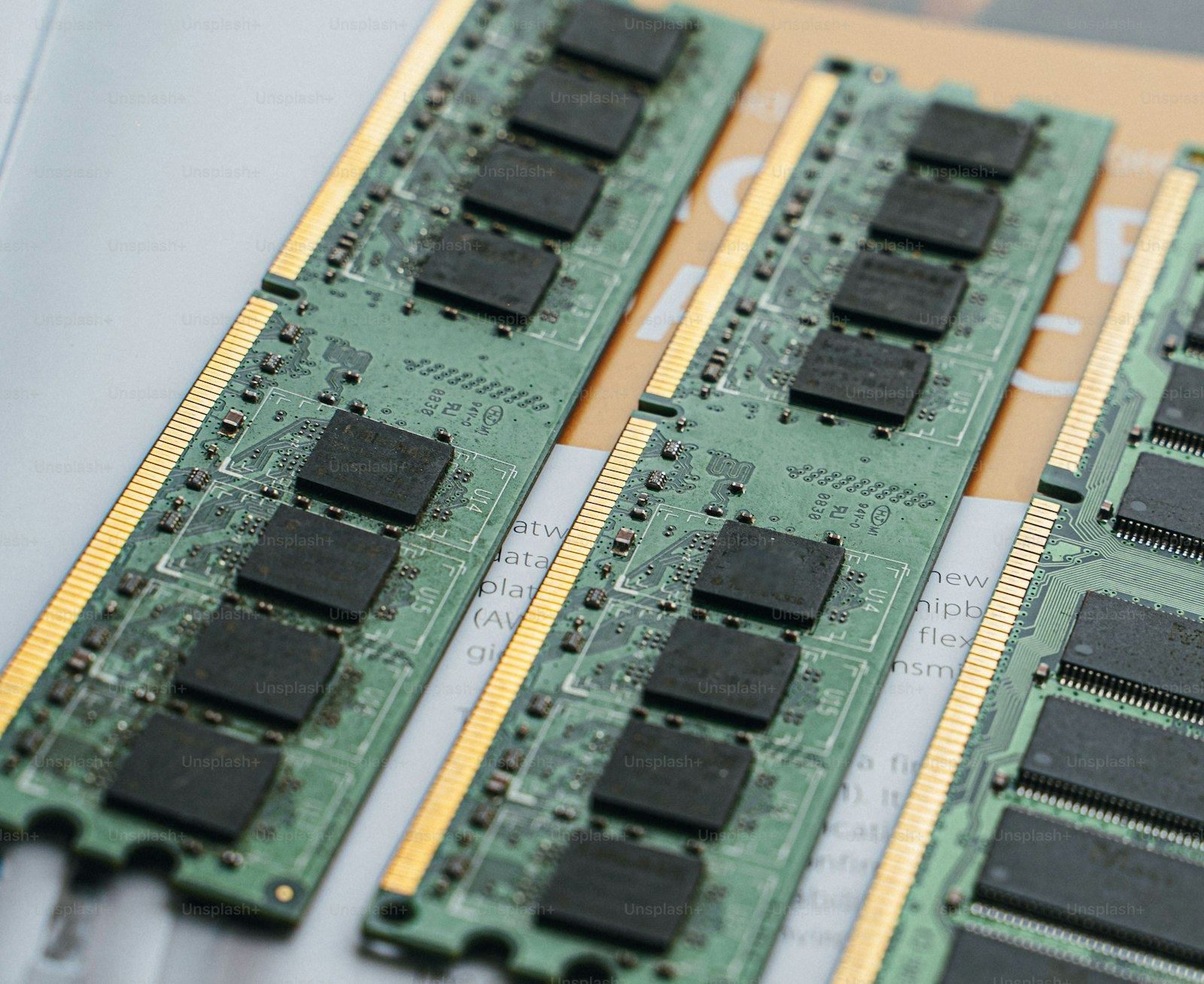
DDR5 memory has transitioned from early-adopter technology to the enterprise standard. With current-generation servers from Dell, HPE, and Lenovo all adopting DDR5, understanding the upgrade path is essential for infrastructure planning.
DDR5 vs DDR4: Key Improvements
| Specification | DDR4 | DDR5 |
|---|---|---|
| Base Speed | 2133-3200 MT/s | 4800-6400 MT/s |
| Bandwidth (per channel) | 25.6 GB/s | 38.4-51.2 GB/s |
| Voltage | 1.2V | 1.1V |
| Max Module Capacity | 128GB | 256GB-512GB |
| On-DIMM ECC | No | Yes |
Server Compatibility
DDR5 requires servers with the latest processor platforms:
- Intel Xeon Scalable 4th/5th Gen (Sapphire Rapids/Emerald Rapids)
- AMD EPYC 9004/9005 Series (Genoa/Turin)
- ARM-based servers (Ampere Altra, Huawei TaiShan)
DDR5 is NOT backward compatible with DDR4 slots. Upgrading to DDR5 requires a full server replacement.
Performance Impact
Real-world performance gains from DDR5 vary by workload: 15-25% improvement for memory-intensive databases, 10-20% for virtualization hosts, 20-30% for HPC and scientific computing, and 5-10% for general-purpose workloads.
RDIMM vs LRDIMM
For maximum capacity, LRDIMM (Load-Reduced) modules allow up to 12TB per server (HPE DL380 Gen11). RDIMM offers lower latency for applications where speed matters more than capacity.
Planning Your Upgrade
When budgeting for a DDR5 transition, factor in: new server chassis ($8K-25K depending on config), DDR5 modules cost 20-30% premium over equivalent DDR4, and potential memory channel population rules affecting performance.