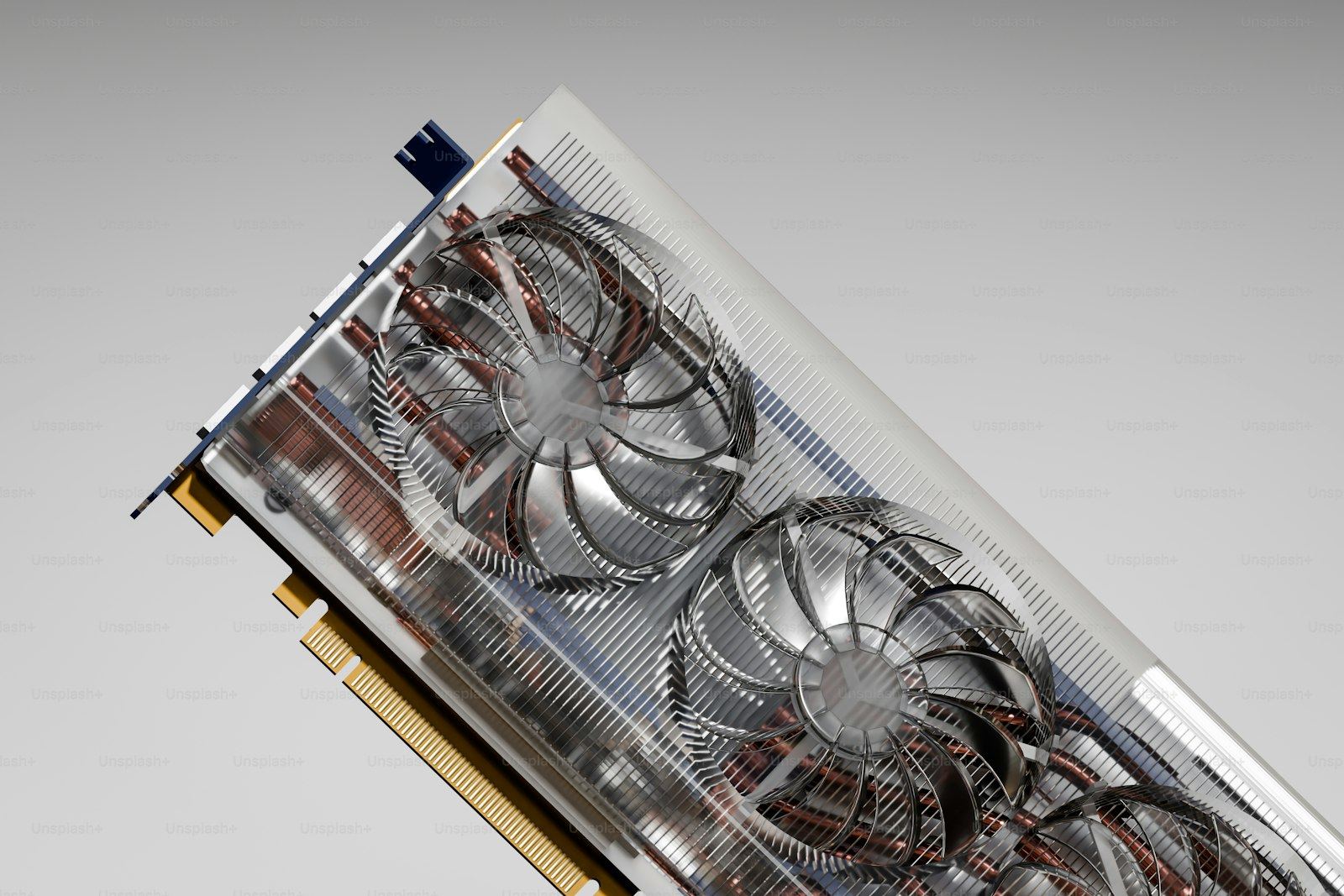
Building AI infrastructure requires specialized hardware that goes far beyond traditional servers. GPU-accelerated systems for training large language models, running inference at scale, and powering scientific computing demand careful planning across compute, networking, storage, and cooling.
GPU Options in 2026
| GPU | Memory | Bandwidth | Best For |
|---|---|---|---|
| NVIDIA H200 | 141GB HBM3e | 4.8 TB/s | LLM training, large-batch inference |
| NVIDIA H100 | 80GB HBM3 | 3.35 TB/s | AI training, HPC |
| NVIDIA A100 | 80GB HBM2e | 2.0 TB/s | Proven ecosystem, cost-effective |
| NVIDIA L40S | 48GB GDDR6 | 864 GB/s | Inference, VDI, rendering |
Server Platform Selection
For AI training clusters, 8-GPU servers are the industry standard:
- Dell XE9680: 6U, 8x H100/H200 SXM5, dual Xeon, NVLink 4.0 full mesh
- HPE Cray XD675: Liquid-cooled, 8x H100, Cray software stack
- Supermicro GPU SuperServer: Maximum flexibility, up to 10x GPUs
Networking: The Hidden Bottleneck
GPU servers are only as fast as their interconnect. For multi-node training:
- NVIDIA ConnectX-7: 400Gbps InfiniBand or Ethernet
- NVLink Switch: 900 GB/s GPU-to-GPU across nodes
- Spectrum-X: Ethernet-optimized for AI workloads
Storage for AI Workloads
AI training requires massive, high-throughput storage:
- Checkpoint storage: NVMe all-flash array, 100+ GB/s throughput
- Dataset storage: Parallel file system (Weka, VAST Data)
- Archive: Object storage for cold datasets
Power and Cooling
An 8-GPU H100 server consumes 10-12kW. A 64-GPU rack (8 servers) needs 80-100kW—far beyond traditional air cooling. Direct Liquid Cooling (DLC) is essential for dense GPU deployments.
Sample Configuration
A starter AI training cluster: 4x Dell XE9680 (32x H100 80GB), NVIDIA ConnectX-7 networking, 2PB NVMe flash storage, liquid cooling infrastructure. Estimated investment: $1.8-2.2M depending on GPU allocation.