B300 vs H200
The B300 and the H200 are both data centre GPUs we supply tested from Hong Kong, and the figures below are the same ones published on each product page. They share the same supply and warranty terms and separate on memory, architecture, interconnect, so the decision is less about "which is better" and more about which of those differences your platform or workload can actually use.
Nothing on this page is a price: used and refurbished hardware is repriced weekly, so both are quoted on request against confirmed stock with the date the quote holds until. If you are replacing a part, send the platform and we will confirm the population before you commit.
Side by side
B300 vs H200 specifications
| Specification | B300 | H200 |
|---|---|---|
| Memory | 288GB HBM3e per GPU; 20TB per GB300 NVL72 rack | 141GB HBM3e, 4.8TB/s (both variants) |
| Architecture | Blackwell Ultra, fifth-generation Tensor Cores, FP4-native | Hopper GH100 with HBM3e memory |
| MIG | not stated | Up to 7 instances, 18GB each (SXM); 16.5GB each (NVL) |
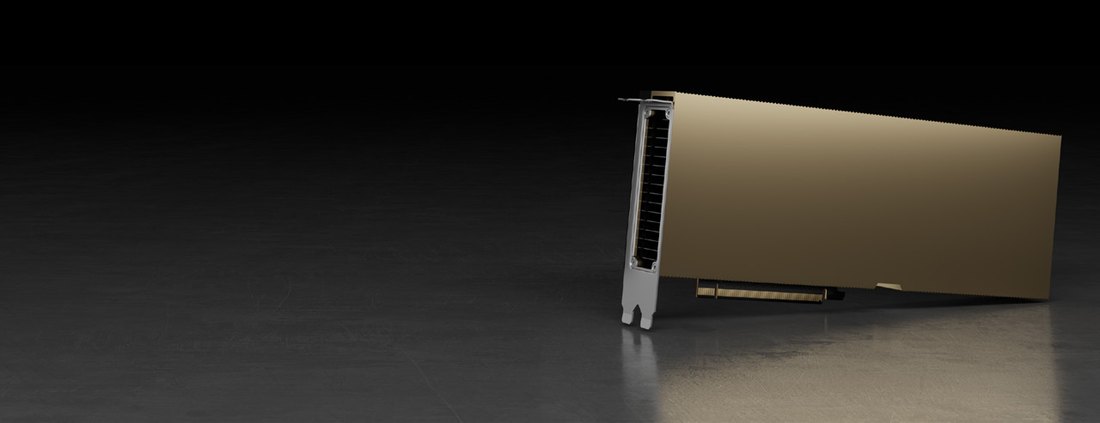
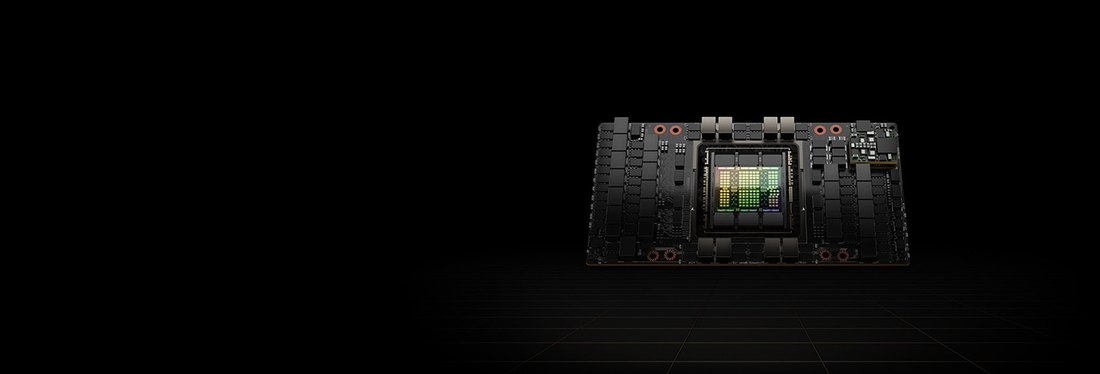
| Model | NVIDIA B300 (Blackwell Ultra) - GB300 NVL72 / HGX B300 platforms | NVIDIA H200 - SXM (HGX H200 baseboard) and H200 NVL (PCIe dual-slot) |
| Memory bandwidth | 8TB/s per GPU; 576TB/s per GB300 NVL72 rack | not stated |
| FP4 Tensor Core | 20 PFLOPS per GPU, 1,440 PFLOPS per NVL72 rack (derived from NVIDIA rack figure) | not stated |
| FP8 / FP6 Tensor Core | 720 PFLOPS per NVL72 rack (derived: ~10 PFLOPS per GPU) | not stated |
| FP16 / BF16 Tensor Core | 360 PFLOPS per NVL72 rack (derived: ~5 PFLOPS per GPU) | not stated |
| Interconnect | Fifth-generation NVLink, 1.8TB/s per GPU; 130TB/s per NVL72 domain | NVLink 900GB/s (SXM); PCIe Gen5 128GB/s plus 2- or 4-way NVLink bridge (NVL) |
| Deployment | GB300 NVL72 rack-scale, liquid-cooled; 72 GPUs, 36 Grace CPUs per rack | not stated |
| Power / cooling | Liquid-cooled rack-scale deployment - per-GPU TDP confirmed per configuration in the quotation (to be verified) | not stated |
| FP8 / INT8 Tensor Core | not stated | 3,958 TFLOPS (SXM) / 3,341 TFLOPS (NVL), with sparsity |
| BF16 / FP16 Tensor Core | not stated | 1,979 TFLOPS (SXM) / 1,671 TFLOPS (NVL), with sparsity |
| TF32 / FP32 / FP64 | not stated | 989 / 67 / 34 TFLOPS (SXM); 835 / 60 / 30 TFLOPS (NVL) |
| TDP | not stated | Up to 700W configurable (SXM); up to 600W configurable (NVL) |
| Form factor | not stated | SXM module for HGX baseboards; PCIe dual-slot air-cooled for NVL |
Rows that differ are highlighted. Figures are the same ones published on each product page; where a figure is community-sourced rather than vendor-published it is stated on that page. Confirm every part against your build sheet when ordering.
Where they differ
- ·Memory — B300: 288GB HBM3e per GPU; 20TB per GB300 NVL72 rack; H200: 141GB HBM3e, 4.8TB/s (both variants).
- ·Architecture — B300: Blackwell Ultra, fifth-generation Tensor Cores, FP4-native; H200: Hopper GH100 with HBM3e memory.
- ·Interconnect — B300: Fifth-generation NVLink, 1.8TB/s per GPU; 130TB/s per NVL72 domain; H200: NVLink 900GB/s (SXM); PCIe Gen5 128GB/s plus 2- or 4-way NVLink bridge (NVL).
Decision
Which one to buy
Data centre GPUs are chosen by memory footprint per job and by the deployment you already have. More memory per card means bigger models, larger batches and fewer cards for the same workload; less memory per card is often the better buy when you scale out across many nodes. Memory bandwidth and compute format matter for the workload — FP8 and BF16 throughput for inference, FP64 for simulation — and the power envelope decides how many cards fit per chassis. Check the form factor and cooling as well: a passive server card and an actively cooled workstation card are not interchangeable.
Choose the B300 if
- ·Memory: 288GB HBM3e per GPU; 20TB per GB300 NVL72 rack
- ·Architecture: Blackwell Ultra, fifth-generation Tensor Cores, FP4-native
- ·Interconnect: Fifth-generation NVLink, 1.8TB/s per GPU; 130TB/s per NVL72 domain
Choose the H200 if
- ·Memory: 141GB HBM3e, 4.8TB/s (both variants)
- ·Architecture: Hopper GH100 with HBM3e memory
- ·Interconnect: NVLink 900GB/s (SXM); PCIe Gen5 128GB/s plus 2- or 4-way NVLink bridge (NVL)
Frequently asked questions
How much do the B300 and the H200 cost?
We do not publish prices for either: secondary-market hardware is repriced weekly. Send the quantity, the platform and the condition you want and we quote both against confirmed stock, with the date the figure holds until.
What is the main difference between the B300 and the H200?
Memory (B300: 288GB HBM3e per GPU; 20TB per GB300 NVL72 rack; H200: 141GB HBM3e, 4.8TB/s (both variants)); Architecture (B300: Blackwell Ultra, fifth-generation Tensor Cores, FP4-native; H200: Hopper GH100 with HBM3e memory); Interconnect (B300: Fifth-generation NVLink, 1.8TB/s per GPU; 130TB/s per NVL72 domain; H200: NVLink 900GB/s (SXM); PCIe Gen5 128GB/s plus 2- or 4-way NVLink bridge (NVL)).
Can I use the B300 and the H200 in the same system?
They can share a server if the power and slot budget allows it, but they target different jobs: B300 and H200 differ mainly on Memory and Architecture. Mixed GPU models in one host is a driver/CUDA compatibility decision, not a hardware one.
Which one should I buy?
Buy the one whose strong points match the job: see the "Choose" section above. If you are replacing an existing part, send the platform or the old part number and we will confirm compatibility before you order.
What condition are they in, and do you ship worldwide?
Both are supplied tested with a 1-year written warranty. Condition is stated line by line before you order — new, decommissioned pull or OEM tray — and we ship worldwide from the Hong Kong warehouse with full export documentation, typically 3–7 days by air.
Get a quote for either — or both
Tell us the quantity, the platform and the condition you need. We confirm stock and put a firm figure in writing with the date it holds until.
Request a Quote